Türkiye Travel Tips: 20 Things to Know Before You Go
Türkiye is welcoming, easy to travel and full of surprises. Still, a few practical details can make the difference between a stressful first day and a smooth, joyful trip. Our team in Istanbul answers the same questions from travellers every week, so we have gathered the most useful Türkiye travel tips in one place: money, transport, phones, etiquette, food and a handful of Turkish words that will make people smile.
Money and payments
1. The currency is the Turkish lira
Prices are in Turkish lira (TRY, shown as ₺). Some hotels and tour services quote in euros or dollars, but everyday purchases, taxis and markets are paid in lira. Exchange rates change frequently, so check them before you travel.
2. Cards are widely accepted
Visa and Mastercard work almost everywhere in cities, including contactless payments. Keep some cash for small shops, bazaars, tips and rural areas.
3. Use bank ATMs and exchange offices wisely
ATMs of major banks are reliable; decline the “conversion” offered by the machine and choose to be charged in lira. Exchange offices (döviz) in city centres usually offer better rates than airports or hotels.
4. Tipping is appreciated
In restaurants, 5–10% is customary if service is not included. Round up taxi fares, and tip hammam attendants, porters and guides according to the service. For group tours, tips for guides and drivers are often collected by the tour leader.
Getting connected
5. SIM cards and eSIMs
Local SIM cards from Turkcell, Vodafone or Türk Telekom are available with your passport at official stores. Many travellers now use a travel eSIM bought online before departure. Foreign phones can be used in Türkiye for a limited period with a local SIM before registration is required, which is more than enough for a holiday.
6. Wi-Fi is everywhere
Hotels, cafés and restaurants almost always offer free Wi-Fi. Download offline maps and a translation app before you arrive.
Getting around
7. In Istanbul, get an Istanbulkart
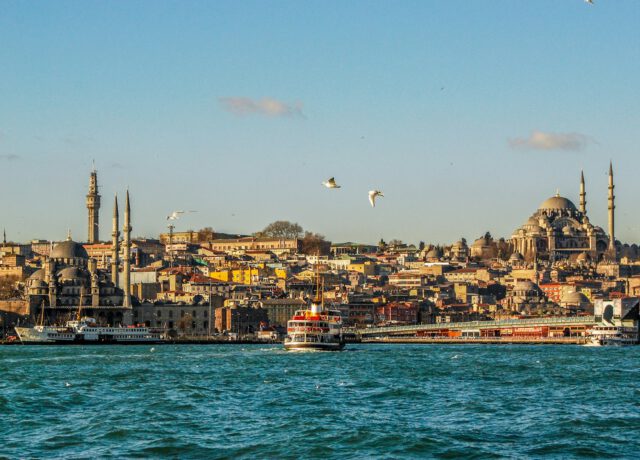
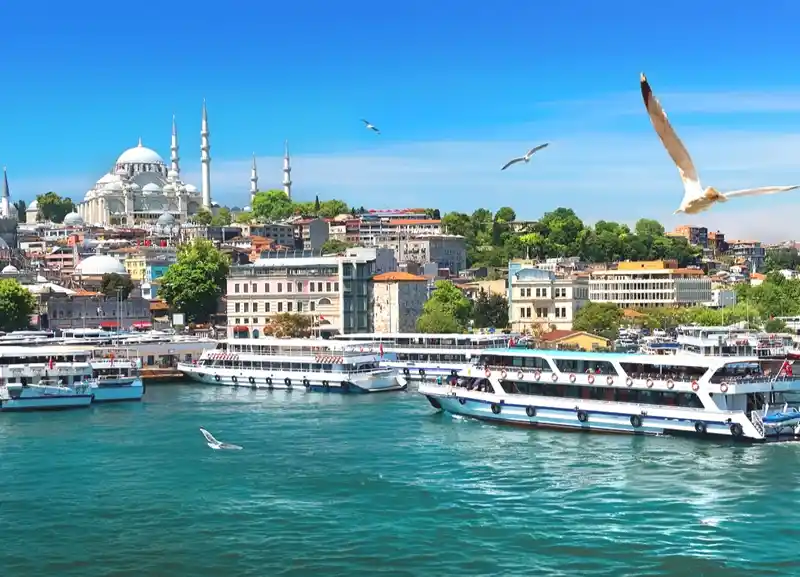
This rechargeable card works on metro, tram, buses, funiculars and ferries, and one card can be used by several people. Ferries across the Bosphorus are cheap, scenic and one of the best ways to see the city.
8. Taxis: use the meter or an app
Make sure the taximeter is on, or use apps such as BiTaksi, which show the driver and route. Traffic in Istanbul can be heavy at rush hour, so trams and ferries are often faster.
9. Domestic flights save time
Türkiye is big: Istanbul to Cappadocia is about 750 kilometres. Short domestic flights connect major cities and tourist regions and are often the smartest choice for groups.
10. Long-distance coaches are comfortable
Turkish intercity coaches are modern, with assistants serving drinks and snacks. They are a good budget option between cities.
Culture and etiquette
11. Dress modestly in mosques
Remove your shoes, cover shoulders and knees, and women should cover their hair. Scarves are often provided. Avoid visiting during prayer times, especially at Friday noon.
12. Bargaining is part of the fun
In the Grand Bazaar and local markets, prices for carpets, ceramics and souvenirs are often negotiable. Be friendly, take your time and accept a cup of tea. In shops with fixed price tags, bargaining is not expected. Note that the Grand Bazaar is closed on Sundays.
13. Tea is a sign of hospitality
Turks drink small glasses of black tea (çay) all day long. Accepting a glass is a friendly gesture and rarely implies any obligation to buy.
14. Greet people and use a few Turkish words
A few words go a long way: Merhaba (hello), Teşekkür ederim (thank you), Lütfen (please), Evet / Hayır (yes / no) and Ne kadar? (how much?).
Food and drink
15. Explore beyond kebabs
Try a Turkish breakfast with cheeses, olives, eggs and simit; lentil soup; pide; mantı dumplings; fresh fish on the coasts; and desserts such as baklava, künefe and Turkish delight. Most meat is halal; read our guide to Muslim-friendly travel in Türkiye for more.
16. Drink bottled water
Tap water is treated, but most locals drink bottled or filtered water, and visitors should do the same. Bottled water is inexpensive everywhere.
Practical details
17. Time zone and electricity
Türkiye uses UTC+3 all year round, without daylight saving time. Sockets are the European two-pin type (C/F) at 230 volts.
18. Museum passes
If you plan to visit many museums in Istanbul or across the country, a museum pass can save time and money and helps you skip ticket queues.
19. Safety and emergencies
Türkiye is generally safe for travellers. As in any big city, watch your belongings in crowded places. The single emergency number is 112 for police, ambulance and fire.
20. Travel insurance and documents
Carry a copy of your passport, check visa or e-Visa requirements for your nationality well before departure, and travel with insurance that includes medical cover.
Plan a stress-free trip
Choosing the right season helps too; see our guide to the best time to visit Türkiye. If you are organising travel for a group, our group tour planning checklist covers every step. And if you would rather leave the details to experts, Mariposas Tour designs tours of Türkiye with guides, transport and hotels included. Get in touch and we will be happy to help.
Shopping: what to bring home
Türkiye is a wonderful place to shop for gifts. Popular choices include hand-knotted carpets and kilims, İznik-style ceramics, copper coffee pots, evil-eye (nazar) charms, olive oil soaps, cotton towels (peştamal) and silk scarves from Bursa. Food lovers bring home Turkish delight, baklava in sealed boxes, dried apricots, pistachios from Gaziantep, spices and Turkish coffee. For carpets and jewellery, buy from reputable shops that provide a certificate and an official invoice, and ask how shipping works if you do not want to carry a large item. Keep receipts for higher-value purchases; tourists from outside Türkiye may be eligible for a VAT refund at participating shops, processed at the airport before departure. Finally, leave some space in your suitcase: almost every traveller goes home with more than planned.
Frequently asked questions
Should I bring cash to Türkiye?
Bring a card for most payments and a small amount of cash in lira for markets, tips, small shops and rural areas. ATMs are easy to find.
How much should I tip in Türkiye?
About 5–10% in restaurants if service is not included; round up taxi fares; tip guides, drivers and hammam staff according to the service.
Can I drink tap water in Türkiye?
Tap water is treated, but bottled or filtered water is recommended for drinking.
Is Türkiye safe for tourists?
Yes, Türkiye welcomes tens of millions of visitors each year and is generally safe. Take normal precautions in crowded areas and use 112 in an emergency.