Muslim-Friendly Travel in Türkiye: A Guide to Halal Holidays and Islamic Heritage
For Muslim travellers, Türkiye offers something unique: a modern, welcoming holiday destination where halal food is the norm, the call to prayer echoes over every city, and centuries of Islamic history are visible on every street. From the Ottoman capitals of Bursa and Istanbul to the spiritual heart of Konya and the “City of Prophets” in Şanlıurfa, a trip here can be both relaxing and spiritually enriching. This guide to Muslim-friendly travel in Türkiye covers food, prayer, the most important sites and practical tips for families and groups.
Why Türkiye is ideal for Muslim travellers
- Halal food is the standard. The vast majority of meat served in Türkiye is halal, and traditional Turkish cuisine (kebabs, pide, mezes, soups and sweets) is naturally suitable for Muslim diets.
- Mosques everywhere. Every neighbourhood has a mosque, and most motorway service areas, shopping centres and airports have prayer rooms (mescit) with wudu facilities.
- A shared culture. Ramadan, the Eid holidays and Friday prayers are part of daily life, so visitors feel at home.
- Rich Islamic heritage. As the centre of the Ottoman Empire for six centuries, Türkiye holds some of the most beautiful mosques and sacred relics in the world.
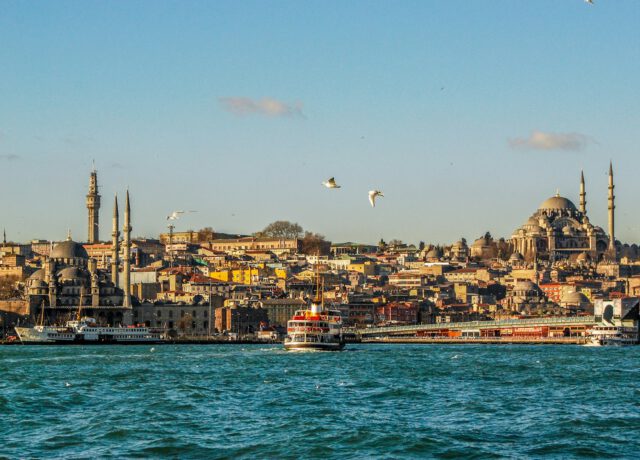
Istanbul: the city of mosques
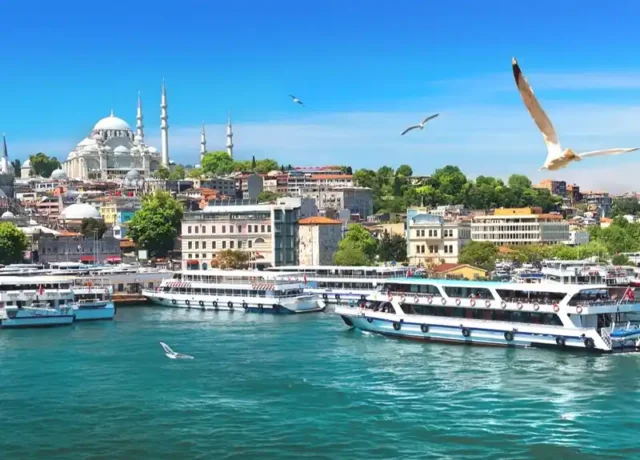
Hagia Sophia Grand Mosque
Built as a cathedral in the 6th century, converted into a mosque after the conquest of Istanbul in 1453, a museum for most of the 20th century and reopened for prayer in 2020, Hagia Sophia is one of the most extraordinary buildings on earth. Its vast dome, calligraphic roundels and mosaics tell the story of the city.
The Blue Mosque (Sultan Ahmed Mosque)
Facing Hagia Sophia, the Sultan Ahmed Mosque, completed in the early 17th century, is famous for its six minarets and the blue İznik tiles that decorate its interior. It remains an active mosque, so visitors enter outside prayer times.
Süleymaniye Mosque
The masterpiece of the great architect Mimar Sinan crowns Istanbul’s third hill. The complex includes the tombs of Sultan Süleyman the Magnificent and his wife Hürrem Sultan, and its terraces offer a breathtaking view of the Golden Horn.
Eyüp Sultan Mosque
One of the holiest places in Istanbul, this mosque stands next to the tomb of Abu Ayyub al-Ansari, a companion of the Prophet Muhammad (peace be upon him) who died during an early siege of Constantinople. It is a place of deep devotion, especially on Fridays and holy nights.
The Sacred Relics at Topkapı Palace
In the Privy Chamber of Topkapı Palace you can see the Holy Mantle and other sacred relics associated with the Prophet and his companions, while the Qur’an is recited continuously. Many visitors describe it as the most moving moment of their trip.
Bursa: the first Ottoman capital
Just a few hours from Istanbul, Bursa is where the Ottoman story began. Visit the Grand Mosque (Ulu Cami) with its twenty domes and celebrated calligraphy, the Green Mosque and Green Tomb covered in turquoise tiles, and the tombs of Osman Gazi and Orhan Gazi, founders of the empire. Bursa is also famous for its silk bazaar, its chestnut sweets and İskender kebab.
Konya: the city of Rumi
Konya is the home of Mevlana Jalaluddin Rumi, the 13th-century scholar and poet whose message of love and devotion is known worldwide. His mausoleum, under a green-tiled dome, is now the Mevlana Museum. In December, Konya hosts ceremonies commemorating Rumi, including the sema of the whirling dervishes.
Şanlıurfa: the City of Prophets
In the southeast, Şanlıurfa is associated by tradition with the Prophet Ibrahim (Abraham, peace be upon him). Pilgrims visit the cave where he is believed to have been born and the sacred fish pools of Balıklıgöl, linked to the story of his being thrown into the fire. Nearby lie the ancient city of Harran and Göbeklitepe, one of the oldest monumental sites in the world.
Other highlights
Edirne, near the Bulgarian border, is home to the Selimiye Mosque, considered Mimar Sinan’s greatest work and a UNESCO World Heritage Site. Cappadocia and the Black Sea coast are perfect for families who want nature and fresh air after city sightseeing. Our Muslim tours combine these places in comfortable itineraries.
Praying while travelling
- Prayer times are announced by the ezan from every mosque; free apps also show local times.
- Tourist mosques close to visitors for about half an hour during each prayer, but worshippers are always welcome to join the congregation.
- Women should cover their hair and wear long sleeves and skirts or loose trousers; scarves and wraps are usually provided at the entrance of major mosques.
- Friday prayer (cuma) is an experience in itself in the great imperial mosques; arrive early.
Travelling during Ramadan
Ramadan is a special time to visit. Restaurants stay open during the day for non-fasting guests, but in the evening cities come alive with iftar tables, illuminated mosques with mahya lights strung between minarets, and festive markets such as the one in Sultanahmet Square. Hotels serve early sahur breakfasts on request. Note that around the Eid holidays domestic travel is very busy; read our guide to the best time to visit Türkiye for more about seasons and holidays.
Halal hotels and family travel
Alongside regular hotels, Türkiye has a growing number of halal-concept hotels with alcohol-free restaurants, separate pools and spa areas for women and men, and family-friendly beaches. In ordinary hotels, breakfast and dinner buffets clearly label pork-free and alcohol-free dishes, and staff are used to answering questions about ingredients.
Plan your journey with us
Mariposas Tour has welcomed thousands of travellers from Indonesia, Malaysia and around the world on Muslim heritage tours and Türkiye tours. We plan routes around prayer times, choose halal restaurants and arrange Friday prayer in Istanbul’s great mosques. Contact us to design your group’s journey.
A sample 10-day Islamic heritage itinerary
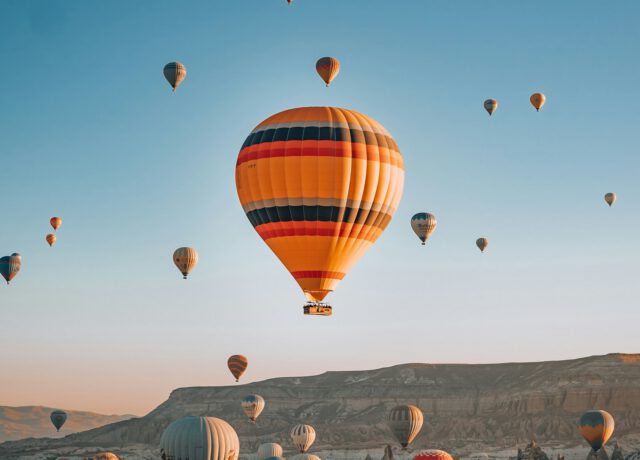
A popular route for Muslim groups begins with three days in Istanbul, including Friday prayer at the Süleymaniye or Eyüp Sultan Mosque, a visit to the Sacred Relics at Topkapı Palace and a Bosphorus cruise. On day four, groups travel to Bursa to visit the Grand Mosque and the tombs of the first Ottoman sultans, continuing the next day to Konya to pay respects at the Mevlana Museum. Days six and seven are spent in Cappadocia, enjoying nature, cave hotels and the balloons at sunrise after Fajr. Groups then fly to Şanlıurfa to visit Balıklıgöl and the cave associated with the Prophet Ibrahim, and on to Mardin with its golden stone mosques and madrasas, before flying back to Istanbul. The route can be shortened or extended, and we always plan the timing around the daily prayers.
Frequently asked questions
Is food in Türkiye halal?
Most meat in Türkiye is halal and pork is very rare. Traditional dishes are generally suitable for Muslim travellers; if in doubt, simply ask the restaurant.
Can tourists visit mosques in Türkiye?
Yes. Mosques welcome visitors outside prayer times. Dress modestly, remove your shoes and keep your voice low. Muslim visitors can join the prayers.
Is it a good idea to travel to Türkiye during Ramadan?
Yes. Daily life continues normally, and evenings are especially atmospheric with iftar meals and festive markets. Only the Eid holidays are very busy for domestic travel.
Where can I see the relics of the Prophet in Istanbul?
The Sacred Relics are displayed in the Privy Chamber of Topkapı Palace, where the Qur’an is recited continuously.